Seasonal Pest Problems and How to Prevent Them
To prevent seasonal pest problems and how to prevent them, local contractors can provide effective treatments and advice tailored to your home's needs.
Understanding seasonal pest problems and how to prevent them is essential for property owners looking to maintain a comfortable and pest-free environment throughout the year. As temperatures change and seasons shift, different pests become more active, seeking shelter, food, and water. This makes proactive prevention especially important for homeowners and business owners in the area, who may find that pests like ants, spiders, rodents, or other critters tend to invade during specific times of the year. Exploring effective strategies and solutions can help reduce the risk of infestations, protect property value, and minimize the inconvenience caused by unwanted pests.
Local service providers specializing in seasonal pest control offer valuable expertise in managing these common challenges. They understand the unique patterns of pest activity in the area and can provide tailored prevention methods suited to each season. Whether it’s sealing entry points, removing attractants, or applying targeted treatments, these professionals help property owners stay ahead of pest issues before they escalate. Keep reading to learn practical tips and discover how local contractors can assist in safeguarding properties against seasonal pest problems.
- Seasonal pest control services help homeowners prepare for common pests that emerge during specific times of the year and how to keep them at bay.
- Preventive pest treatments are recommended when seasonal pest problems are anticipated, with local contractors applying targeted solutions to protect properties.
- Spring and summer pest management addresses increased insect activity, with local service providers implementing barrier treatments to reduce infestations.
- Fall pest prevention focuses on controlling rodents and other pests seeking shelter indoors, with local pros offering sealing and exclusion services.
- Year-round pest monitoring helps detect early signs of seasonal pest problems and how to prevent them before they become serious, with local experts providing ongoing assessments.
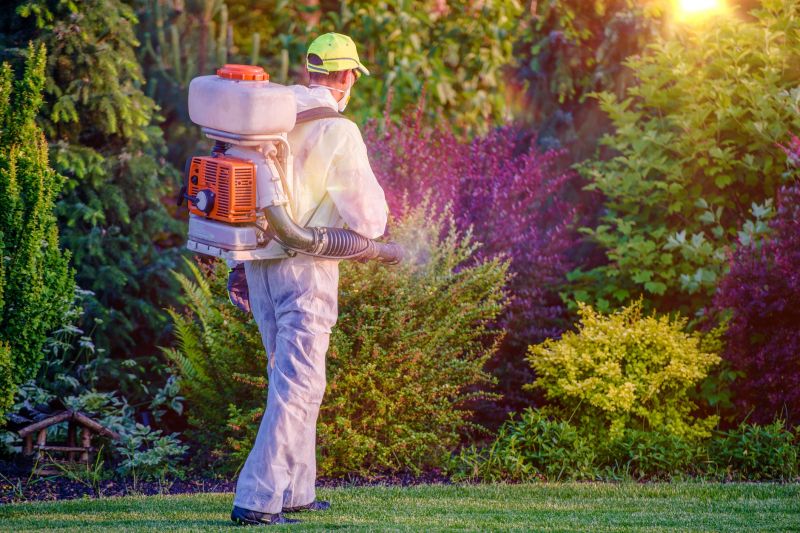


Seasonal pest problems and how to prevent them are common concerns for homeowners as different pests tend to emerge or become more active during specific times of the year. Many people searching this topic are looking for guidance on how to protect their properties from pests that are more prevalent in certain seasons, such as ants in the spring, mosquitoes in the summer, or rodents in the fall and winter. Understanding the patterns of these pests helps homeowners plan effective prevention strategies, reducing the likelihood of infestations and the damage they can cause. Local service providers specializing in seasonal pest control can assess the unique needs of a property, recommend tailored solutions, and implement treatments that address the specific pests active during each season.
The problems related to seasonal pest activity often involve nuisance behaviors, property damage, and health risks. For example, springtime may bring an increase in ant colonies seeking food and water sources, while summer can see a surge in mosquito populations that breed in standing water around the yard. Fall and winter might lead to rodents seeking shelter inside homes, creating potential contamination and structural issues. Homeowners may also plan preventative measures such as sealing entry points, removing breeding sites, or installing barriers to keep pests out during vulnerable periods. Local pest control service providers can help develop comprehensive plans to address these seasonal challenges, offering targeted treatments and advice to minimize pest activity before it becomes a serious problem.
Properties most affected by seasonal pest problems typically include residential homes, especially those with yards, gardens, or nearby natural areas. Single-family houses, townhomes, and apartment complexes all face unique risks depending on their location and construction. Homes with accessible entry points, such as gaps around windows, doors, or utility lines, are particularly vulnerable to pests seeking shelter or food. Gardens and outdoor living spaces can attract pests like ants, wasps, or flies, which may then invade indoor areas. Service providers experienced in seasonal pest control understand how to tailor solutions for different property types, whether it’s sealing entry points, applying barrier treatments, or implementing habitat modifications to reduce pest attraction.
Addressing seasonal pest problems and how to prevent them involves ongoing vigilance and strategic planning. Local contractors can evaluate a property’s specific risks during each season and recommend proactive steps to reduce pest activity. This might include routine inspections, targeted treatments, or advice on habitat modifications around the property. By working with experienced service providers, homeowners can establish a preventative approach that minimizes the impact of seasonal pests, making their homes more comfortable and reducing the likelihood of infestations. Proper planning and timely intervention are key to managing these common issues effectively throughout the year.
Gutter Cleaning and Maintenance - Proper gutter cleaning helps prevent pest nesting and entry points, which is essential for managing seasonal pest problems and how to prevent them. Local contractors can provide thorough gutter cleaning services to reduce pest risks.
Yard Debris Removal - Clearing leaves, branches, and other debris minimizes hiding spots for pests during seasonal changes, supporting efforts to prevent infestations. Service providers can assist with regular yard cleanup to address these concerns.
Sealant and Home Inspection - Identifying and sealing cracks or entry points around the home reduces pest access, playing a key role in seasonal pest prevention. Local pros can perform inspections and sealing to help mitigate pest problems.
Vegetation Trimming Services - Trimming back trees and shrubs near the home limits pest habitats and access, aiding in seasonal pest control strategies. Many local contractors offer professional landscaping and trimming services.
Moisture Control Solutions - Managing moisture around the property prevents conditions favorable to pests during seasonal shifts. Service providers can install or recommend drainage and moisture control measures.
Outdoor Pest Barrier Installation - Installing physical barriers such as screens or mesh helps block pests from entering the home during vulnerable seasons. Local pros can install effective pest barriers tailored to specific needs.
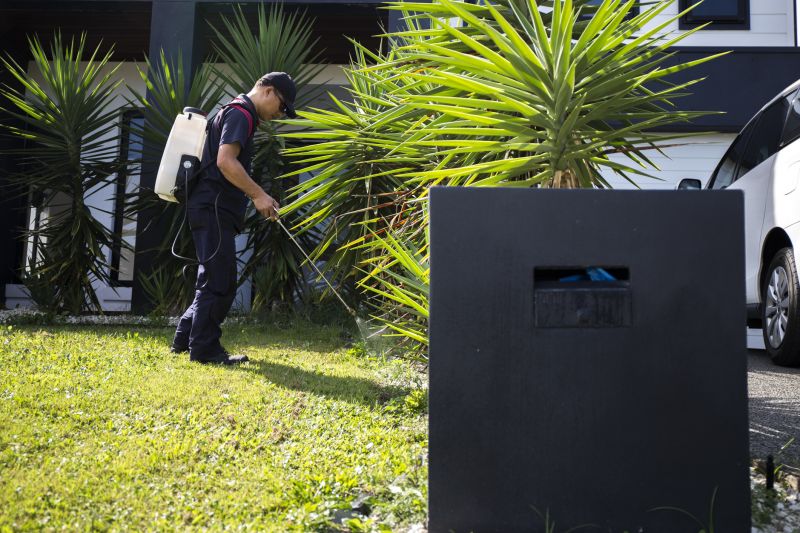
When comparing local contractors for seasonal pest problems and how to prevent them, it’s important to consider their experience with similar projects. Homeowners should look for service providers who have a proven track record in managing seasonal pest issues specific to their area. An experienced contractor will understand the common pests that tend to become problematic during certain times of the year and will be familiar with effective prevention strategies. This familiarity can lead to more targeted treatments and better long-term results, helping to keep pests at bay before they become a major concern.
Clear written expectations are essential when evaluating potential service providers. Homeowners should seek out contractors who provide detailed descriptions of what their seasonal pest control services include, what preparations may be necessary, and what the homeowner can expect in terms of ongoing prevention efforts. Transparent communication about the scope of work helps ensure that both parties are aligned and can prevent misunderstandings. Having a well-defined plan also makes it easier to compare different providers and choose the one that best meets the specific needs of the property.
Reputable references and good communication are key factors in selecting a reliable local contractor. Homeowners should ask for references or reviews from previous clients who have had similar seasonal pest problems and prevention services performed. This feedback can offer insights into the contractor’s professionalism, responsiveness, and effectiveness. Additionally, a service provider who maintains open, clear communication can make the process smoother and more transparent, allowing homeowners to stay informed about treatments, recommendations, and any follow-up needed. Prioritizing these qualities can lead to a more confident decision and a successful pest prevention plan.
Property owners often search for seasonal pest problems and how to prevent them when they are planning practical projects around their homes and businesses. Local pros provide Seasonal Pest Control services for everyday jobs and straightforward project options.

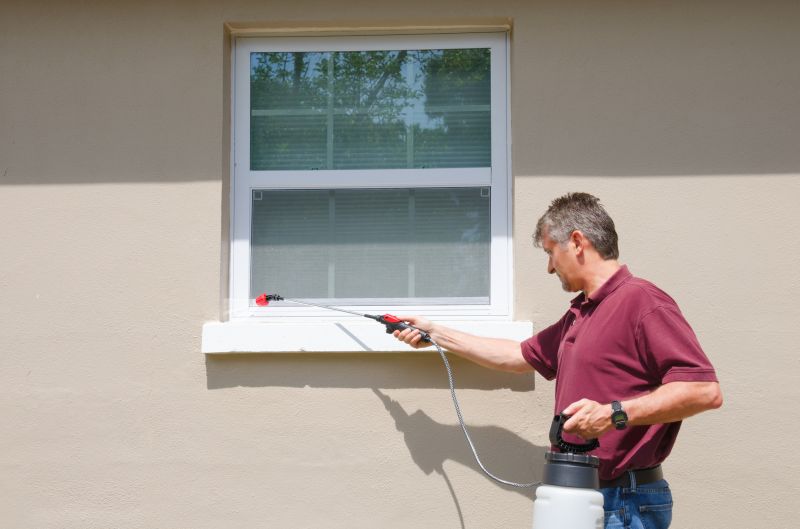
Seasonal pest problems and how to prevent them are common concerns for property owners throughout the year. As temperatures change, certain pests such as ants, spiders, or rodents may become more active, seeking shelter and food sources around homes and gardens. Homeowners often look up simple prevention tips, like sealing entry points or removing debris, to reduce the likelihood of infestations. When these DIY efforts aren’t enough, local contractors specializing in seasonal pest control can provide targeted treatments and advice to keep pests at bay, ensuring that properties remain comfortable and pest-free during peak times.
Many property owners find themselves searching for effective solutions to manage seasonal pest issues before they escalate. Pests tend to invade more frequently during specific times of the year, making early prevention essential. Local service providers offer professional pest control options that can address these seasonal challenges efficiently. Whether it’s eliminating existing pests or implementing preventative measures, connecting with experienced contractors can help maintain a pest-free environment, allowing residents to enjoy their homes without worry about common seasonal invaders.
What are common seasonal pest problems and how can they be prevented? Common seasonal pest problems include ants in summer, mice in winter, and termites during warm months. Local contractors can provide targeted prevention methods to reduce the risk of infestations during each season.
How do seasonal changes influence pest activity? Changes in temperature and humidity affect pest behavior, causing some to seek shelter indoors or become more active outdoors. Professional pest control services can identify these patterns and implement seasonal prevention strategies.
What proactive steps can homeowners take to prevent seasonal pest problems? Homeowners can eliminate standing water, seal entry points, and keep outdoor areas tidy. Local service providers often offer inspections and treatments to help reinforce these preventive measures.
When should pest control treatments be scheduled for seasonal pest problems? Treatments are most effective when timed before pest activity peaks, such as spring for ants or fall for rodents. Local pros can advise on optimal scheduling based on seasonal pest trends.
Are there specific seasonal pest control services available for different pests? Yes, many service providers offer specialized treatments for pests like wasps in summer or mice in winter, tailored to seasonal pest problems and prevention needs.
Identify seasonal pest hotspots - property owners can work with local contractors to assess and address areas prone to pest activity during specific seasons.
Seal entry points before pests arrive - sealing gaps and cracks around windows, doors, and foundations can help prevent seasonal pest problems and how to prevent them.
Maintain landscaping and debris removal - keeping yards tidy and removing clutter can reduce pest hiding spots, with local pros providing guidance on seasonal prevention strategies.
Schedule regular pest inspections - proactive inspections by local service providers can detect early signs of seasonal pest problems and how to prevent them.
If you are thinking about seasonal pest problems and how to prevent them for a property, this guide is meant to help you understand this topic, the typical project types, and how different options might fit your plans.
When you are ready, you can use the quote form on this page to share a few details about your project. From there, local pros can review the basics and follow up with options that match what you have in mind.